

These technologies aim to aim to help improve diagnosis, treatment, and patient care, while reducing errors, waiting times, and costs. However, the introduction of these new technologies poses new challenges for hospitals, private clinics, and other healthcare facilities, particularly in terms of investment, training, and compliance with standards and regulations.
These new technologies and their rapid evolution are causing concern in the hospital sector, yet they offer many advantages that should be taken into account:
- Improving the quality of care: technologies are proving to be a considerable aid to healthcare professionals in diagnosing and treating patients with greater precision and efficiency.
 Optimizing medical data management: By using sophisticated and innovative computer systems, hospitals can easily store, organize, and access patient medical data, leading to improved patient care.
- Optimizing patient interactions: Technologies such as mobile applications, online portals, and telemedicine can help patients interact with healthcare professionals more easily and effectively.
- Cost reduction: The use of new technologies can help hospitals reduce healthcare costs, particularly by reducing medical errors and hospital stays.
- Improving communication between healthcare professionals: Communication technologies such as videoconferencing and instant messaging systems. These can help healthcare professionals collaborate and share information more effectively.
Technology has inevitably revolutionized the world of medicine and surgery. However, its use still has various drawbacks:
- High cost: These new technologies can be expensive to develop and implement within a healthcare facility.
- Staff training: The use of new technologies in hospitals requires appropriate training to avoid handling errors that could lead to complications for patients.
- Malfunction: Innovative devices may not function properly, but may also be unsuitable for certain patients and/or certain practices.
- Technological dependency: Excessive use of new technologies can lead to dependency, making manual interventions more difficult for healthcare professionals when devices malfunction.
It is important to note that these disadvantages are not unique to all technologies used in hospitals and may also vary depending on the devices used and the context in which they are used. That is why it is important to identify these disadvantages in order to minimize risks andensure the safety and well-being of healthcare personnel and, above all, patients.
In conclusion, the introduction of technology into hospitals has opened up new opportunities for improving healthcare. Surgiris, as a supplier of medical equipment, offers a wide range of operating room monitors that incorporate innovative high-definition digital integration solutions from ICN Metris.
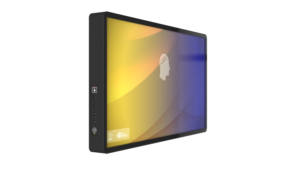
These operatingroom monitorsoffer high resolution and exceptional image quality, allowing surgeons and medical teams to accurately observe surgical procedures in real time. Digital integration solutions from ICN Metris enable seamless interconnectivity with other medical systems, such as imaging equipment and electronic patient records. This facilitates access to information and contributes to more efficient coordination of care.
In view of the rapid introduction of these technologies in hospitals around the world, it is essential to take a consistent approach when introducing these new technologies in hospitals, private clinics, and healthcare facilities, and to ensure that the benefits outweigh the disadvantages.
Safety first!