
Home Dermatological Lighting
Dermatological PDT lighting systems
PDT dermatological lighting is an essential medical device for the implementation of photodynamic therapy (PDT) in dermatology.
It activates photosensitizing agents applied to the skin using controlled, uniform light that is tailored to clinical protocols.
At Surgiris, we develop PDT lighting solutions designed for dermatologists—whether in private practices or specialized centers—to ensure precision, safety, and reproducibility in treatments.
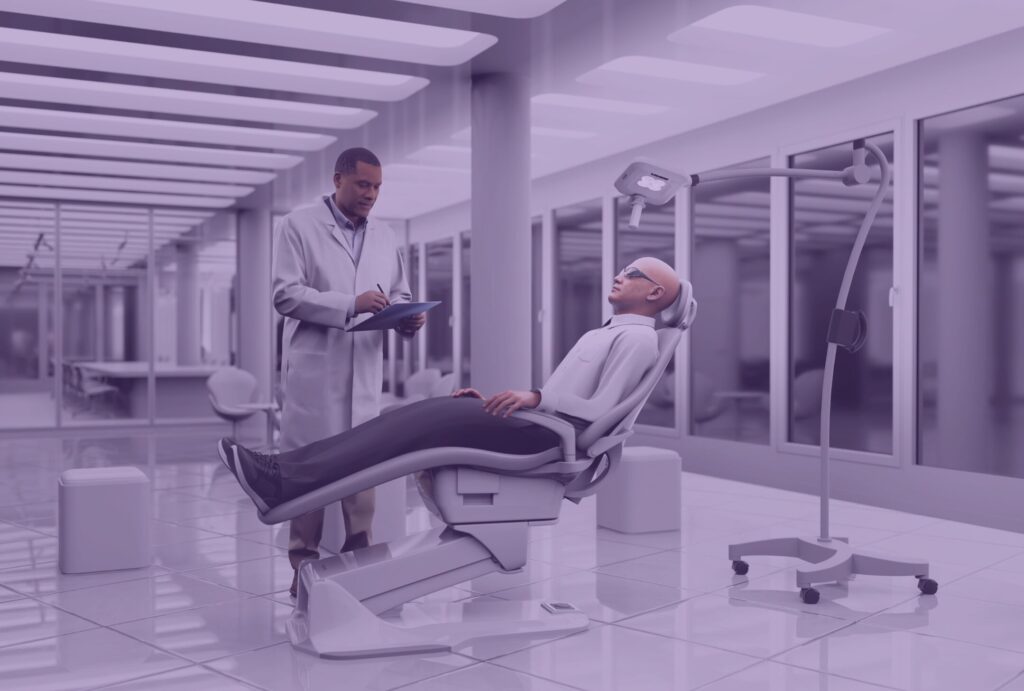
What is PDT dermatological light therapy?
A dermatological PDT light source is a device used in photodynamic therapy to emit light at specific wavelengths.
This light activates a photosensitizer applied to the skin to treat certain skin conditions.
This type of lighting must ensure:
- controlled light output
- perfect uniformity
- long-term stability
- optimal patient safety
Dynamic phototherapy in dermatology
Photodynamic therapy (PDT) is a technique used in medical and cosmetic dermatology.
It is based on three elements:
- Application of a photosensitizing agent
- Activation by a suitable light source
- Targeted reaction in the treated tissues
Lighting therefore plays a key role in the effectiveness of the treatment.
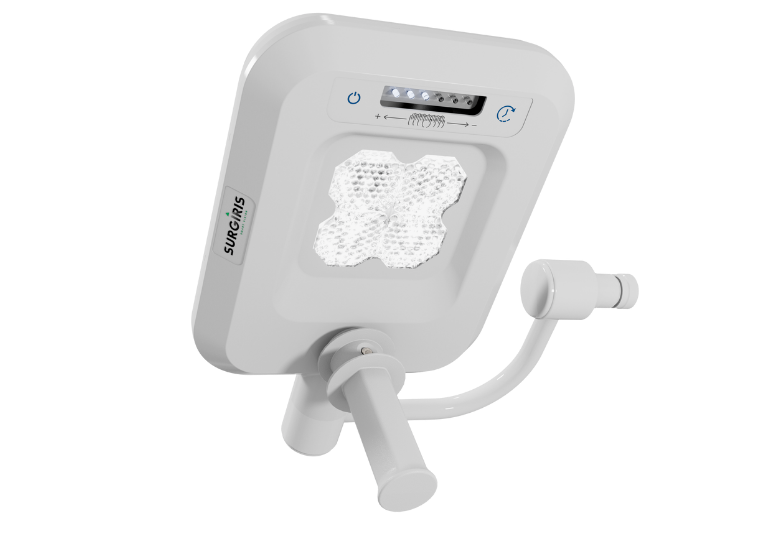
DERMARIS: Dedicated PDT dermatological lighting
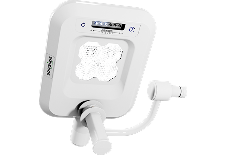
DERMARIS is a dermatological lighting solution specifically designed for the implementation of photodynamic therapy (PDT) protocols. This PDT lighting system delivers controlled and uniform illumination, optimized for the activation of photosensitizing agents used in medical and aesthetic dermatology. Designed for use in private practices and specialized medical centers, DERMARIS enables precise and reproducible PDT treatments. Its ergonomic design facilitates accurate positioning and enhances patient comfort, while meeting the reliability and safety requirements expected by healthcare professionals. This solution integrates seamlessly into dermatological practices requiring fully controlled PDT lighting.
For more information, check out our article on the latest studies showing results after just one hour of treatment.
Key requirements of PDT lighting in dermatology
Photodynamic therapy (PDT) is based on precise clinical protocols that require specifically adapted lighting systems. Light characteristics, uniformity, and seamless integration into the clinical environment are essential factors in supporting dermatological practice in PDT treatments.
Lighting systems adapted to photodynamic therapy (PDT)
Photodynamic therapy (PDT) is based on the activation of a photosensitizing agent by a specific light source. Dedicated PDT lighting systems support dermatology protocols by delivering light emission precisely adapted to this type of treatment.
These devices are designed to meet the specific clinical requirements of photodynamic therapy (PDT), both in private dermatology practices and specialized medical centers.
Lighting uniformity and control
Light uniformity is a critical factor in the implementation of photodynamic therapy (PDT) sessions. Controlled and consistent illumination contributes to uniform activation of the photosensitizer across the treated area.
Stable light output also helps ensure the reproducibility of treatment sessions while maintaining patient comfort throughout the procedure.
Designed for daily dermatology practice
PDT treatment sessions require equipment that is easy to use and seamlessly integrated into the clinical environment. Lighting ergonomics play a key role in organizing treatment sessions and ensuring smooth, efficient practitioner workflows.
Dermatological PDT lighting solutions are designed to adapt to the daily constraints of dermatology practice without adding complexity to treatment workflows.
Need more information?
We are here to help!
Frequently Asked Questions



Our expertise in PDT dermatological lighting
Dermatological PDT lighting is a key component in the delivery of photodynamic therapy treatments in medical and aesthetic dermatology. This technology relies on the use of specific wavelengths to activate photosensitizing agents applied to the skin.The precision and uniformity of the emitted light are critical to ensuring the effectiveness of treatment protocols and the reproducibility of clinical outcomes.
PDT lighting devices are used in dermatology practices, aesthetic clinics, and specialized medical facilities, in compliance with professional standards and safety requirements. Controlled lighting helps optimize light distribution over treated areas while ensuring patient comfort throughout the treatment session.
Choosing an appropriate dermatological PDT lighting system contributes to the overall quality of care and the reliability of treatments. Solutions such as DERMARIS are fully aligned with this approach, offering a medical device specifically designed to meet the needs of healthcare professionals, with intuitive operation, consistent performance, and seamless integration into existing photodynamic therapy (PDT) protocols.