
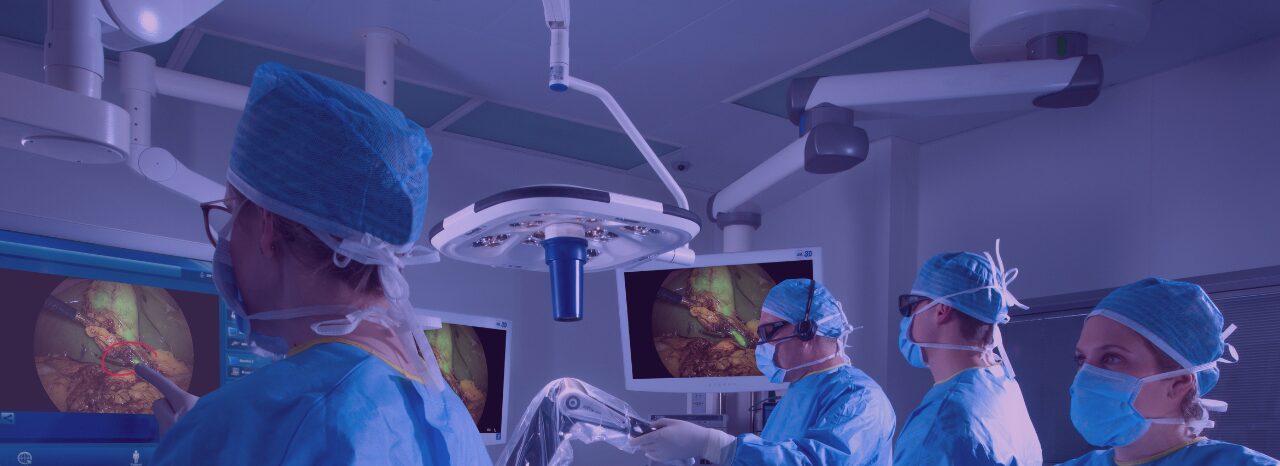
High-performance surgical lighting is essential to ensure precision, safety, and comfort during surgical procedures. Among the most effective solutions, the surgical light remains an essential piece of equipment in modern operating rooms. Covering technological innovations, selection criteria, and best practices, this comprehensive guide will help you understand, choose, and optimize the surgical lighting that is right for your facility.
Why surgical lighting is essential in the operating room
The effectiveness of surgery depends not only on the skill of the surgeon but also on the quality of the lighting. Poor lighting can cause:
- Surgical errors due to insufficient visibility.
- Visual fatigue for the medical team.
- Longer operating times and less effective procedures.
The surgical light was designed to address these challenges, providing a consistent, adjustable, and precise light output while minimizing fatigue for surgeons and assistants.
Types of surgical lighting and their characteristics
To choose the right surgical light, it is important to be familiar with the different types of surgical lighting available on the market.
The halogen operating lamp
Halogen lamps have long been the standard in operating rooms. They offer:
- Powerful and constant light intensity.
- Good light distribution, but less effective at limiting shadows.
Limits:
- High energy consumption.
- Significant heat emission that may interfere with personnel and instruments.
- Shorter lifespan compared to LEDs.
The LED surgical light
LED surgical lights are now the gold standard in operating room lighting. They offer numerous advantages:
- Energy saving and low heat generation, even during long operations.
- Superior longevity and reduced maintenance costs.
- Precise control of intensity and color temperature.
- Reduced shadows, even when several assistants are around the patient.
These characteristics explain why many hospitals are replacing their halogen lamps with LED models.
Auxiliary lighting and portable lamps
For certain procedures or specific situations, mobile and auxiliary lamps can supplement the main lighting. Although they do not replace a fixed surgical light, they allow:
- Targeted lighting for hard-to-reach areas.
- Flexibility in case of emergencies or interventions in non-standard rooms.
How to choose the right surgical light for your operating room
The choice of a surgical light is not limited to price or light output. Several technical and practical criteria must be considered:
Light intensity and uniformity
A surgical light must provide uniform lighting across the entire operating area. The intensity must be adjustable to suit different types of procedures, from orthopedic surgery to cardiac surgery.
Light type and technology
LEDs are now the preferred technology due to their low energy consumption, durability, and ability to produce stable, cool lighting. Halogen lamps remain an option, but their use is gradually declining.
Ergonomics and handling
The articulated arms and the ability to easily position the surgical light are essential for everyday use. The light must be:
- Easy to move and adjust.
- Precise positioning, without creating annoying shadows.
Maintenance and compliance with standards
Check how easy it is to clean, whether it complies with European and French standards, and how often the LEDs or halogen bulbs need to be maintained.
Budget and overall cost
Beyond the purchase price, consider bulb life, energy consumption, and maintenance costs to determine the total cost of ownership.
For more information on choosing surgical lighting, please see our dedicated article on How to choose surgical lighting, which details the technical criteria and installation advice.
Best practices for optimal surgical lighting
Choosing the right surgical light is not enough: using it correctly is just as crucial.
Ideal positioning
- Position the lamp so as to avoid shadows on the surgical field.
- Adjust the height and angle according to the type of surgery and the number of assistants.
Intensity adjustment
- Some procedures require intense light, others require softer light.
- Modern LED lamps allow precise adjustment for each procedure.
Regular maintenance
- Clean the reflectors and check the condition of the LEDs or bulbs.
- Check the articulated arms and ensure they remain stable.
Staff training
- Ensure that all operating room staff are proficient in the use of the surgical light.
- Proper handling improves safety, precision, and visual comfort for surgeons.
Our XMT and EPURE range EPURE high-performance surgical lighting
To meet the needs of modern operating rooms, our XMT and EPURE range offers advanced LED surgical lighting solutions:
- XMTOperating Room Lighting: Powerful, adjustable, and designed for complex surgeries.
- EPURE surgical light: Compact design, uniform light, and easy to handle.
These ranges combine innovation, comfort, and safety, ensuring optimal lighting for every procedure. They are compatible with all types of operating rooms and meet the most stringent safety and hygiene standards.
High-performance surgical lighting is essential to ensure the safety, precision, and comfort of surgical procedures. Surgical lights, whether halogen or LED, remain the preferred choice for modern operating rooms.
By choosing the right model, following best practices, and adopting advanced solutions such as our XMT and EPURE ranges, hospitals and clinics can improve visibility, reduce staff fatigue, and optimize the quality of procedures.
To learn more about choosing the right lighting for your operating room, feel free to consult our comprehensive guide on How to read an operating room lighting technical data sheet.